Kazimierz & Ghetto // Private Walking Tour


- Duration: 3 Hours (approx.)
- Location: Krakow
- Product code: PSJ6SQ
⏳ Book now & pay in full later!
Overview
This private guided tour takes you through both Kazimierz and the former Krakow Ghetto, weaving together centuries of Jewish life, culture, and resilience. You’ll begin in the historic Jewish quarter - once a separate royal city founded by King Casimir III the Great - exploring its synagogues, cemeteries, and vibrant streets before crossing into Podgórze, where the tragic history of the wartime Ghetto unfolded.✔️ Kazimierz Jewish Quarter
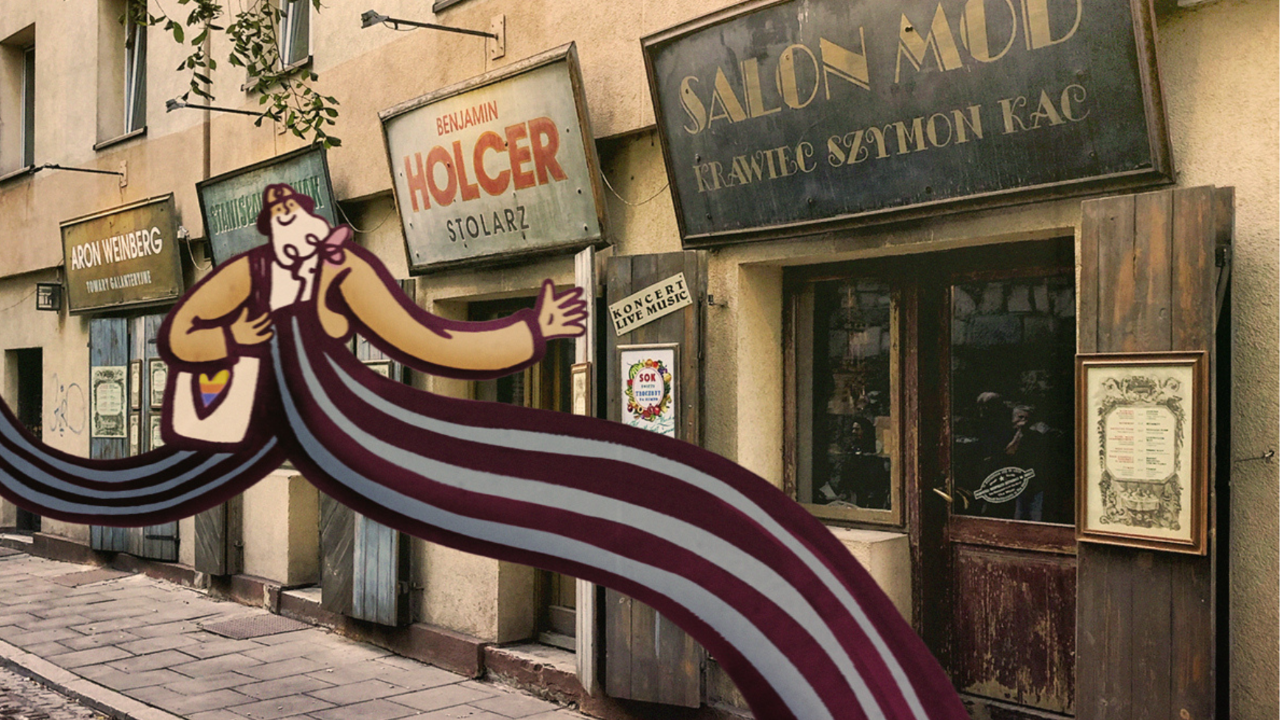
Discover the heart of Jewish Krakow, from the iconic Szeroka Street (featured in Schindler’s List) to historic synagogues and the atmospheric Plac Nowy.
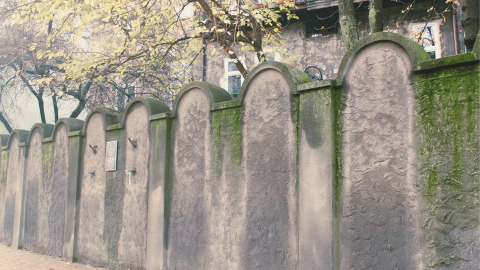
✔️ Ghetto Wall fragments
There is no more sober testament to the brutal totalitarianism of the era than the remaining walls. You’ll visit a little-known fragment most tours bypass.
✔️ Former Ghetto exploration
Your private guide will walk you around the area of Podgórze where the Ghetto was and educate you further on the area’s history.
What to Expect
1️⃣ Kazimierz Jewish Quarter
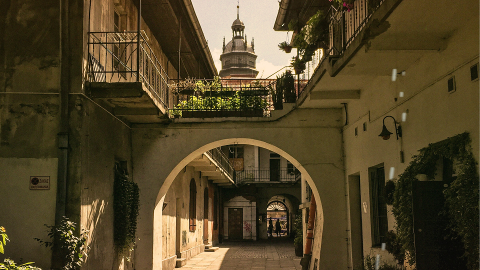
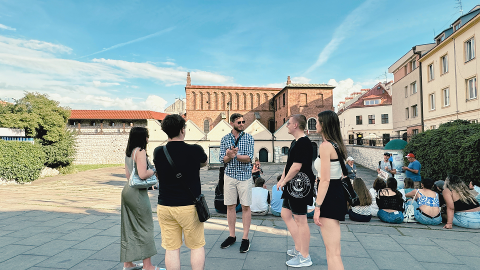
Walk through Kazimierz and get to know the core sites of the former Jewish district, including Szeroka Street and selected synagogues, with stories about daily life and traditions.
2️⃣ Synagogues and cemeteries
Explore historic landmarks like the 15th-century Old Synagogue, the 16th-century Remah Synagogue and Cemetery, and the 17th-century Popper Synagogue.
3️⃣ Hidden memorials
Uncover little-known, hidden memorials that offer poignant glimpses into the area's rich Jewish heritage.
4️⃣ Cross into the Former Ghetto
Cross the Vistula River into Podgórze, where your guide will set the historical context of the Nazi occupation and the establishment of the Kraków Ghetto.
5️⃣ Ghetto Wall fragments
Visit the remaining fragments of the Ghetto Wall, including a secret spot most tours skip - a stark reminder of the brutal confinement imposed on Krakow’s Jews.
6️⃣ Ghetto Heroes Square
The Ghetto Heroes Monument features 68 chairs, symbolizing the thousands of Jewish lives lost during the Holocaust. Nazi occupiers used this square as a gathering point before deporting victims to nearby concentration camps like Auschwitz and Płaszów. It stands as a solemn tribute to their memory and resilience.